
Category: Public Health & Communication | Tags: Vaccine Hesitancy, Dr. Craig Spencer, Health Communication, Anti-Vaccine Movement, FOAMcc, Critical Care
Estimated read: 4 minutes | Suggested slug: anti-vaccine-conference-craig-spencer-critical-care-commute
What do you actually find when you walk into an anti-vaccine conference and pay attention? Dr. Craig Spencer, Professor of Public Health and Emergency Medicine at Brown University, decided to find out — and what he brought back is the subject of Season 5, Episode 16 of The Critical Care Commute.
Dr. Spencer attended a major conference organised by the Children’s Health Defense. What he found was not a fringe gathering of conspiracy theorists. It was a large, well-organised, socially cohesive community — united by shared narrative, mutual trust, and a powerful sense of mission.
What the conference revealed
The pivotal moment came when attendees were asked to stand if they or someone they knew had experienced a vaccine injury. Two-thirds of the room rose. The solidarity in that room was palpable — and more emotionally powerful than any clinical data point.
This is the engine of the anti-vaccine movement: not misinformation, but community. Shared identity. Lived experience. Distrust of institutions that, for many of these individuals, has been earned over years of feeling dismissed. Understanding this dynamic is not optional for anyone who wants to engage with hesitant patients effectively.
The history we keep ignoring
Dr. Spencer reminds us that vaccine hesitancy is not a product of social media or the COVID-19 pandemic. It is older than evidence-based medicine. Anti-vaccination societies formed within a decade of Edward Jenner’s smallpox vaccine in 1796. The Wakefield scandal of 1998 — retracted in 2010, still influential today — is one chapter in a very long story.
Our continued surprise at vaccine hesitancy is itself a problem. It suggests we have not been paying attention to the historical and social dynamics that sustain it — and that is a failure of professional humility.
What actually works
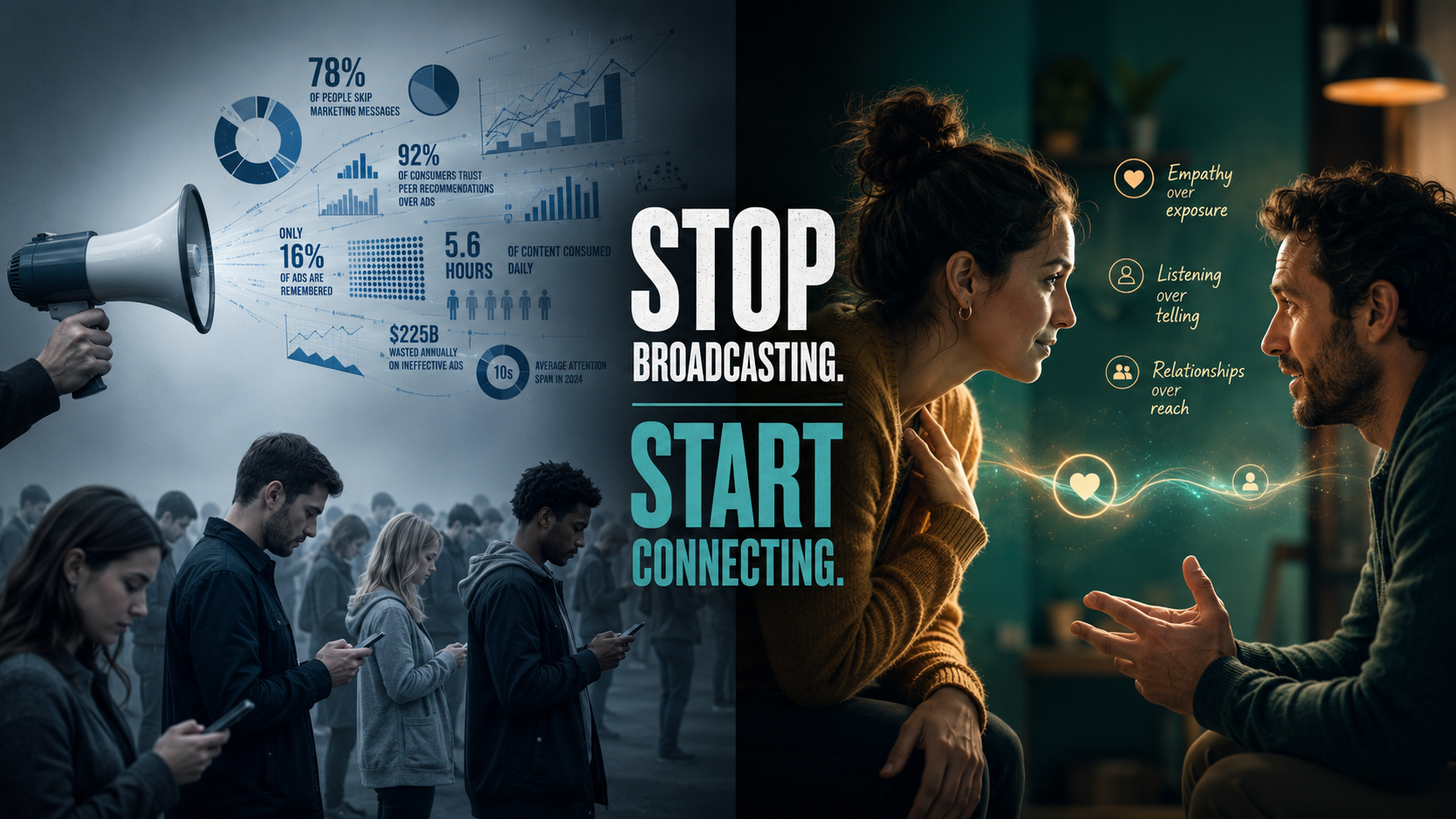
Dr. Spencer’s framework for effective engagement is grounded in empathy, curiosity, and honesty — not better infographics. Ask what the patient has heard before you respond. Acknowledge the emotion before you present the evidence. Share uncertainty where it genuinely exists. Accept that trust rebuilds slowly, across multiple interactions, not in a single consultation.
The anti-vaccine movement leads with stories. We lead with data. Until we learn to lead with both, we will continue to lose the communication battle — not because the science is weak, but because our communication strategy is.
Leave a Reply